Benefits of Journaling for Stress
Stress accumulates. It layers itself through the day in small increments, a difficult email here, a missed deadline there, until by evening you are carrying more than you realise. Journaling at the end of the day creates a moment to set that weight down deliberately. It will not make the stressors disappear, but it changes your relationship to them.
Key benefits
Offloads what you are carrying
Writing about what stressed you today moves it from your body and mind to the page. This is not avoidance. It is a deliberate act of release. Once a worry is written down, it no longer needs to be held in working memory, and your nervous system can begin to settle.
Separates urgency from importance
Stress has a way of making everything feel equally pressing. When you write out your concerns, you often discover that some are genuinely urgent and others only felt that way in the moment. This sorting process restores a sense of proportion.
Builds a record of how you cope
Over time, your journal becomes a quiet archive of the strategies that helped you through stressful periods. You may notice that walks in the evening reliably ease your tension, or that certain people leave you feeling calmer. These patterns are worth knowing.
Protects the boundary between day and night
Without a clear transition, the stress of the day bleeds into the evening and then into sleep. Writing creates a line between the two. You acknowledge what happened, you put it on the page, and you close the book. The day is done.
What the evidence suggests
Research in psychoneuroimmunology and health psychology has repeatedly demonstrated that expressive writing can reduce the physiological markers of stress, including cortisol levels and blood pressure. Studies suggest that the act of narrating stressful experiences helps the brain process them more efficiently, shifting the response from a reactive, fight-or-flight mode to a more regulated state. Work in cognitive load theory supports the idea that externalising concerns frees up mental resources, improving both decision-making and emotional regulation. Evidence also points to the benefits of evening writing in particular, as it allows the mind to process the day's pressures before sleep rather than carrying unresolved tension into the night.
Putting it into practice
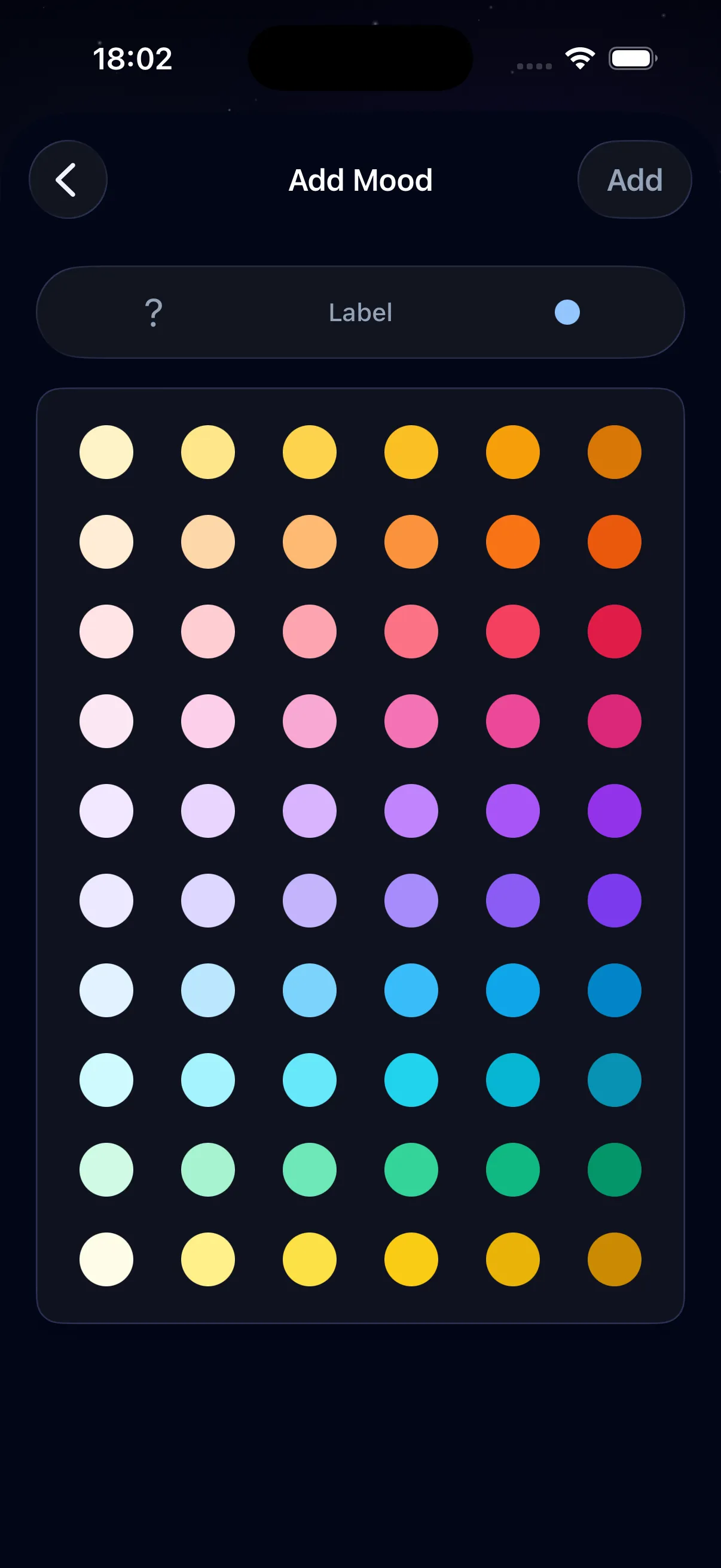
At the end of the day, take a few minutes to write about what felt heavy. Our guide to journaling for stress can help you structure this release. Stress prompts offer a starting point when the weight feels hard to name. Be specific. Rather than writing that you felt stressed, describe the moment, what happened, what you felt in your body, and what you did about it. Then note one thing, however small, that went well. This is not about forced positivity but about completeness. In Nightbook, you can tag each entry with a mood that colours your star for the night. Over time, your sky becomes a visual record of the ebb and flow of pressure in your life, and you may find that the calm nights are more frequent than you thought.
Prompts to explore this
- ★ What was the single greatest source of stress today, and is it something I can influence?
- ★ How did my body respond to stress today, and did I notice it in the moment?
- ★ What is one responsibility I could let go of or delegate this week?
- ★ When was the last time I felt truly relaxed, and what made that possible?
- ★ If I imagine looking back on this stressful period a year from now, what do I think I will remember?
Keep exploring
Benefits
Turn your reflections into stars
Nightbook is a quiet journal for your evening thoughts. Every entry becomes a glowing star. Every week becomes a constellation.