How to Journal Through a Career Change
Changing careers is rarely just a professional decision. It reaches into your sense of identity, your finances, your daily rhythms, and your confidence. The sheer number of unknowns can make clear thinking feel impossible. Journaling during a career transition gives you a steady, private place to sort through the noise and listen to what you actually want, rather than what you think you should want.
Why this helps
Career decisions involve both practical considerations and deeply personal ones, and most people try to weigh them simultaneously in their heads, which leads to overwhelm. Writing separates the threads. On paper, you can examine your fears apart from your ambitions, your financial concerns apart from your values. This kind of untangling is essential during transitions, when the temptation is to make a decision quickly just to escape the discomfort of not knowing. Journaling also preserves your thinking over time. When you look back at entries from the beginning of a transition, you can see how your perspective has shifted, which options you discarded and why, and which quiet instincts turned out to be right. The journal becomes a record of your own wisdom, gathered gradually, like navigating by stars that only become visible once your eyes adjust.
How to begin
Name what you are leaving
Before focusing on what comes next, write honestly about what you are moving away from. What is no longer working. What you will miss. What you have outgrown. Understanding what you are leaving helps you avoid carrying the same dissatisfaction into a new setting.
Separate fear from intuition
Fear and intuition can feel identical in your body, but they point in different directions. Write about what frightens you and then ask whether the fear is protecting you from genuine risk or simply guarding you against change. This distinction matters enormously, and cognitive reframing can help you see the same situation through a steadier lens.
Explore your values on paper
Ask yourself what matters most to you in your working life, not what sounds impressive, but what genuinely sustains you. Autonomy, purpose, stability, creativity, connection. Write until the real answers emerge beneath the rehearsed ones. Values clarification like this is one of journaling's most practical gifts.
Map the practical and the personal
Make space for both. One entry might be a list of financial realities. The next might be about the kind of morning you want to wake up to. Both are part of the decision, and neither should drown out the other.
Write to your future self
Describe the life you are trying to build, not in vague terms, but with the textures of a real day. What does the work feel like. How do your evenings end. What kind of tired are you. This exercise often clarifies what no amount of pros-and-cons listing can.
Things to keep in mind
- — Do not pressure yourself to reach a conclusion in any single entry. Clarity builds gradually.
- — If you are paralysed by options, write about each one separately on different nights.
- — Share your journal insights with a trusted friend or mentor when you are ready. The writing often distills what talking cannot.
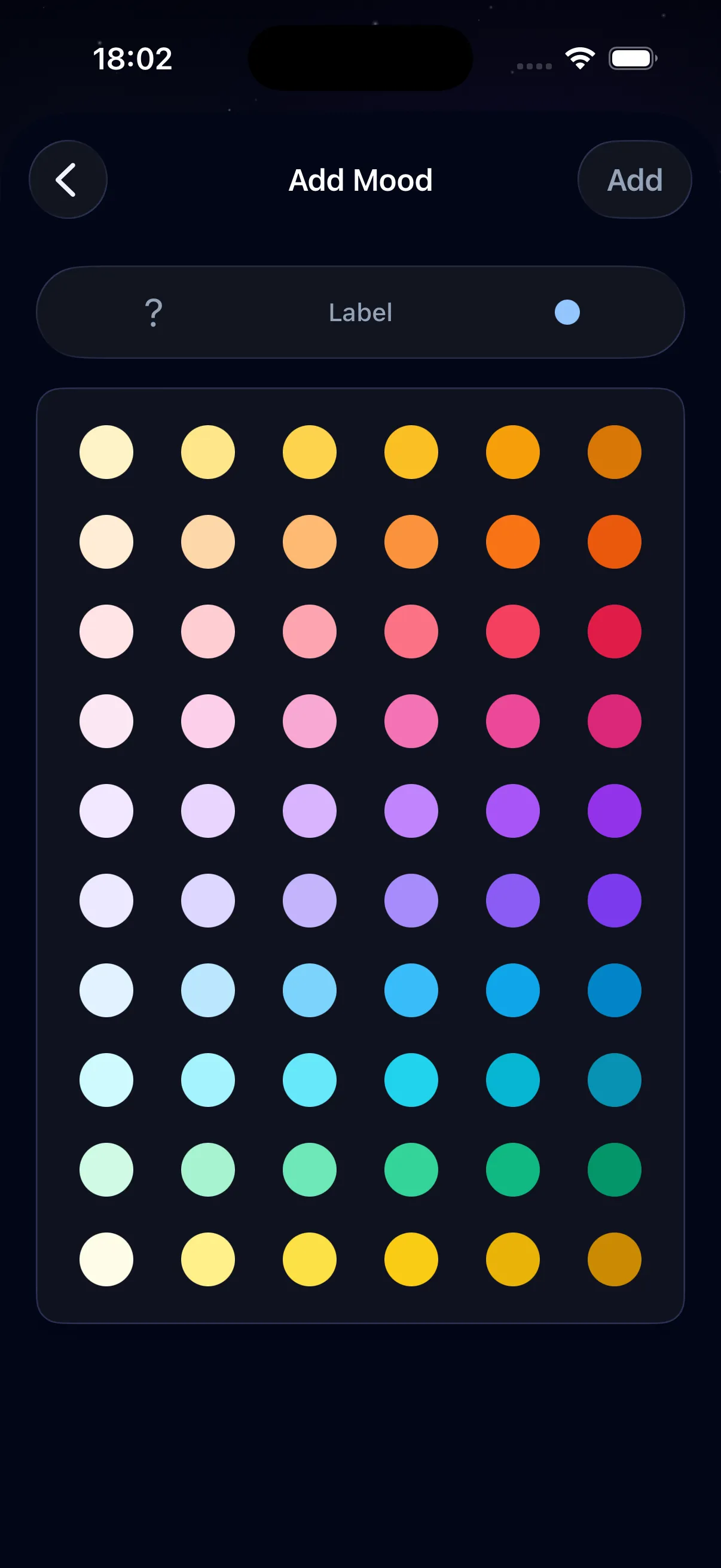
- — Track your energy and mood during the transition. Nightbook's mood tags can reveal how the uncertainty is affecting you over time.
- — Remember that not deciding is also a choice. Write about what staying would look like too.
Prompts to try tonight
- ★ What would you do if the financial risk were removed from the equation?
- ★ What part of your current work do you want to carry into whatever comes next?
- ★ When you imagine yourself a year from now, what does a good day look like?
- ★ What advice would you give a close friend facing the same decision?
- ★ What are you most afraid of losing, and is that fear based in reality?
Keep exploring
Guides
Benefits
Turn your reflections into stars
Nightbook is a quiet journal for your evening thoughts. Every entry becomes a glowing star. Every week becomes a constellation.