How to Journal Morning and Evening
There is something grounding about writing at both ends of the day. A morning entry sets a quiet intention before the world rushes in. An evening entry lets you set that world back down. Together they form a frame around your hours, giving shape to days that might otherwise blur into one another. This guide shows you how to build both practices without doubling your effort.
Why this helps
Morning and evening journaling serve different purposes, and that is precisely why doing both is so effective. In the morning, your mind is relatively clear. Writing at this point helps you choose where your attention goes rather than letting the day decide for you. In the evening, the mind is full. Writing then helps you sort through what accumulated, keeping what matters and releasing what does not. Together, the two practices create a feedback loop. Your evening reflections inform your morning intentions, and your morning intentions give your evening reflections something to measure against. Over weeks, this rhythm builds a detailed, honest portrait of how you move through your life. It also trains a kind of awareness that carries into the hours between, a habit of noticing rather than simply reacting, the foundation of self-awareness.
How to begin
Keep the morning brief
Your morning entry should take no more than three to five minutes. Write one thing you are grateful for, one thing you intend to focus on, and one thing you want to be mindful of. Keep it light enough that it does not feel like a chore before your day has even begun.
Let the evening be open
Evening journaling can be a little longer and less structured. Write about what happened, how you felt, what surprised you. This is the entry where you process rather than plan. Let it wander where it needs to.
Use different tones for each
Morning writing tends to be forward-looking and practical. Evening writing is more reflective and honest. Letting each session have its own character prevents the practice from feeling repetitive and gives both entries a clear purpose.
Connect them gently
At the end of the day, glance at what you wrote that morning. Did you follow through on your intention. Did something entirely different take over. This is not about self-judgement. It is about noticing the distance between what you planned and what actually unfolded.
Adjust the balance over time
Some seasons of life suit a heavier morning practice. Others call for more evening reflection. Let the balance shift as your needs change. The point is to stay in conversation with yourself at both edges of the day, not to maintain a rigid schedule.
Things to keep in mind
- — If you can only manage one, choose the time of day when your mind feels most cluttered.
- — Keep a notebook by your bed for evenings and by the kettle for mornings.
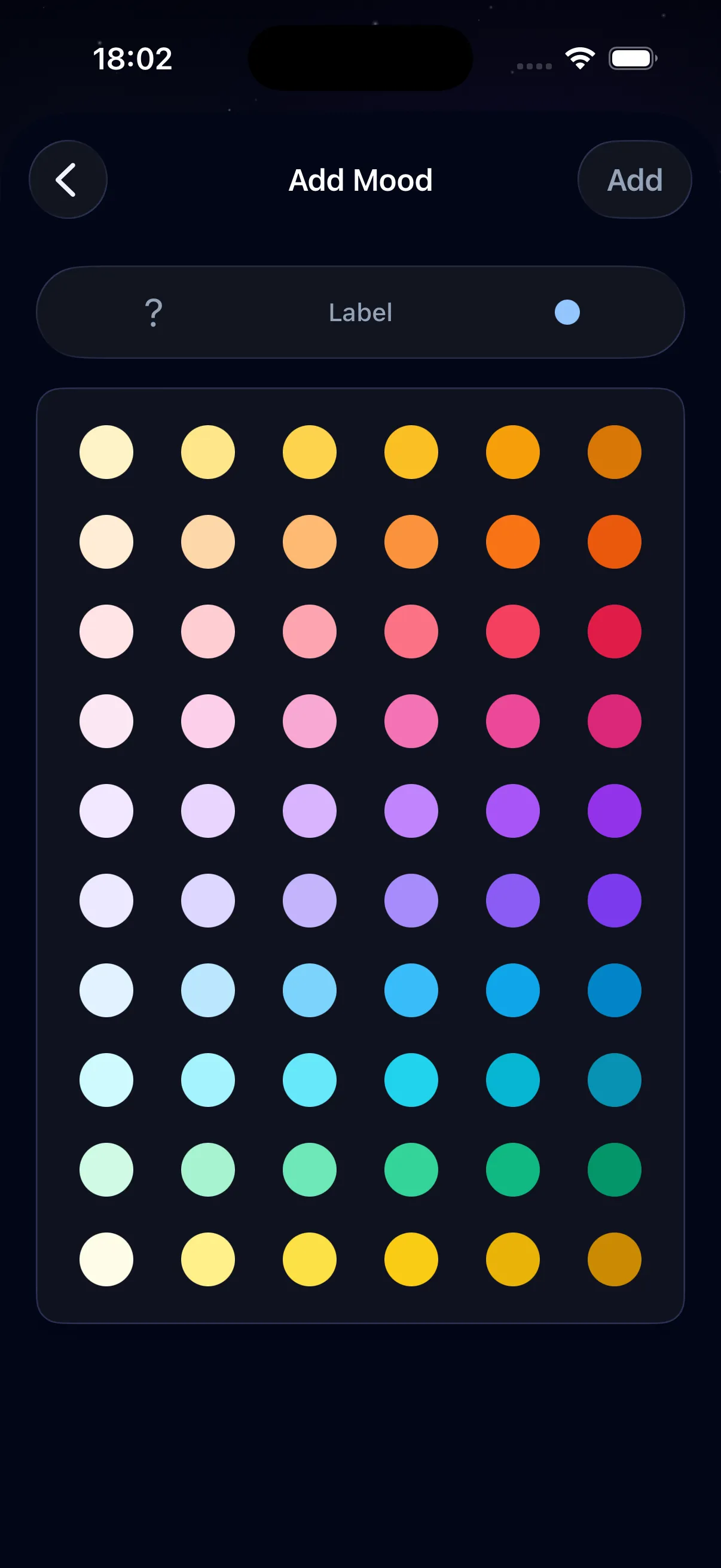
- — Nightbook's mood tagging works well for evening entries, giving you a visual thread to follow over time.
- — Morning entries do not need to be inspired. "I slept poorly and I want today to be gentle" is enough.
- — Try this rhythm for two weeks before deciding whether it suits you.
Prompts to try tonight
- ★ What do you most want to carry into today?
- ★ How did the reality of this day differ from what you expected this morning?
- ★ What would you tell your morning self now that the day is done?
- ★ Which part of the day deserved more of your attention than it received?
- ★ What intention would you like to wake up with tomorrow?
Keep exploring
Guides
Turn your reflections into stars
Nightbook is a quiet journal for your evening thoughts. Every entry becomes a glowing star. Every week becomes a constellation.